Welcome to the Society of Interventional Radiology's blog. Interventional radiology harnesses the power of image-guided therapies to develop breakthrough treatments, change medical practice and improve the standard of patient care. This blog spotlights the work of interventional radiologists, pioneers of minimally invasive, image-guided modern medicine, who with SIR see “the vision to heal.”
Friday, May 23, 2014
SIR 2014 Presidential Address
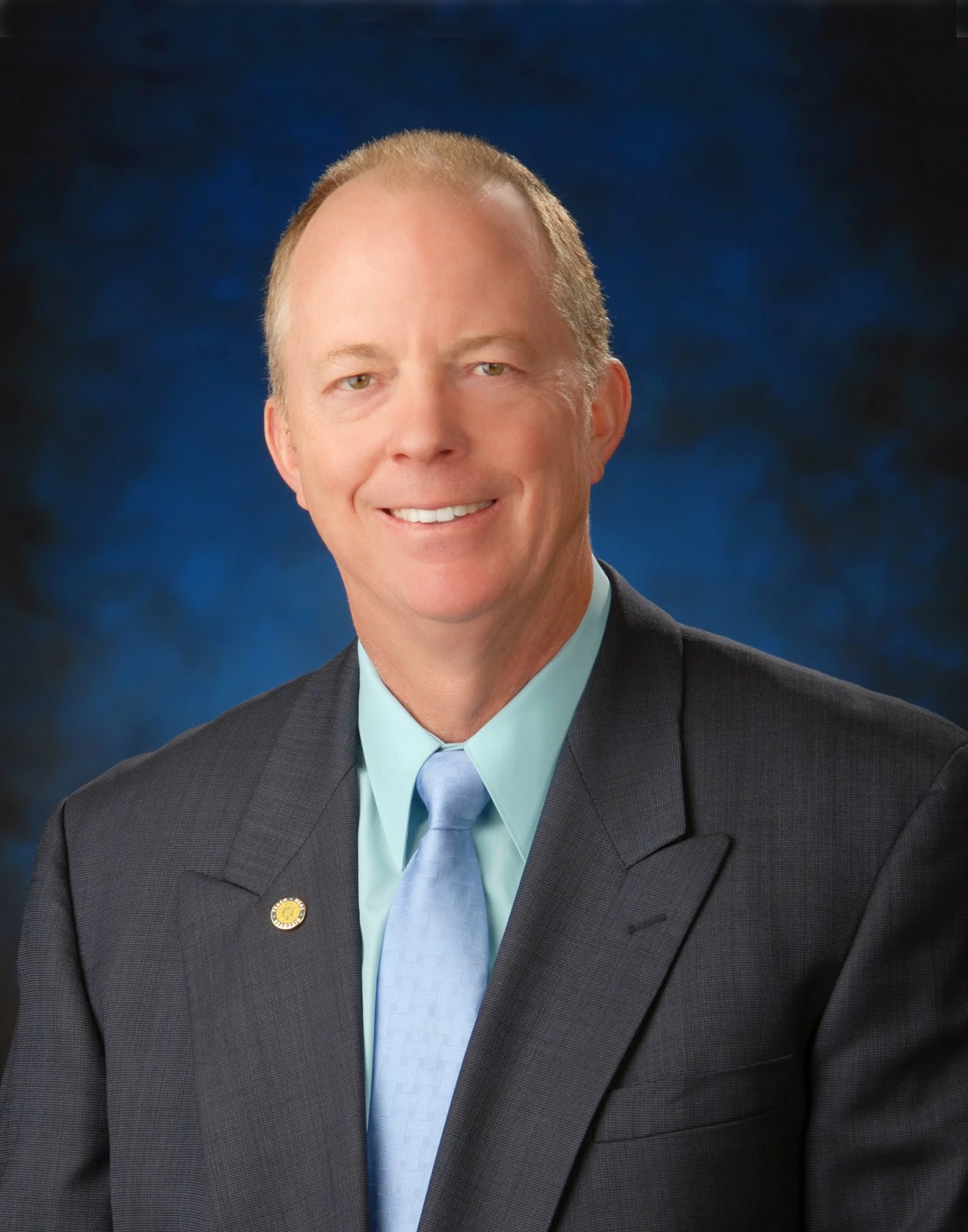
SIR Scott C. Goodwin, M.D., FSIR
SIR President
March 25, 2014
We are living through some of the most dramatic changes in America's health care system since the advent of Medicare—the Affordable Care Act—potential changes to the SGR formula—more regulation by accrediting bodies with an ever increasing emphasis on documentation and quality.
Navigating Today’s Medical Landscape
The Society of Interventional Radiology continues to work for its members and is navigating a path to success for our specialty during this time of changes in the national health care environment.
In response to nationally mandated expectations of improved quality at lower cost, SIR has pursued multiple pathways to help ensure the future success of interventional radiology. SIR is collaborating with colleagues from other specialties to prevent or limit payment rate reductions. SIR remains an active participant in the national CPT coding process and the accompanying code valuation, which takes place as part of American Medical Association (AMA) Relative Value Scale Update Committee (RUC) activities. We have invested hundreds of volunteer hours and staff resources in ensuring that our coding and valuation strategy is grounded on sound data driven by what is optimal for patient care. We have worked long and hard, and we have been able to preserve excellent value for interventional radiology treatments.
SIR and SIR Foundation have carefully examined various activities in order to ensure that they are consistent with our strategic goals, with an eye on ensuring that the Society’s and the Foundation’s pursuits are fully aligned. The Society established the Payment, Research and Policy Task Force (or PReP) to identify and prioritize data development and research needs to improve patient care in the long term and to help lead to a more efficient reimbursement system. Task force members are working to identify areas where IR is expected to excel—the focus will be on demonstrating exceptional quality, safety, efficacy and value. They are reviewing what services are most valuable to patients and interventional radiologists in order to prioritize where efforts would have the most impact.
SIR and SIR Foundation recognize the critical need for IR evidence-based data to ensure proper support from lawmakers, as they move away from a fee-for-service system toward a system that rewards quality, efficiency and innovation. It is time to demonstrate the safety, efficacy and cost-effectiveness of our treatments.
Transforming Interventional Radiology
We are addressing evolving health care system concerns at the same time as we are celebrating the transformation of the field, as evidenced by interventional radiology becoming a primary specialty in medicine. Longitudinal care has been advocated for and envisioned by leaders in the field for decades, and we are now at the tipping point of a transformation to a fully clinical practice specialty.
The acknowledgement of interventional radiology as a unique clinical specialty has long-lasting implications for the future. We know that this benefits our patients and our practices and strengthens the future of the specialty. Our unique skill set as superb clinicians, expert proceduralists and excellent imagers—a convergence of talents, abilities and interests—has positioned interventional radiologists to be at the forefront of modern medicine. SIR fought hard to bring about American Board of Medical Specialties approval and enthusiastically supports the changes that are coming in practice and in IR residency training. One step has been for SIR to become a sponsoring member of the American Board of Radiology, guaranteeing a prominent voice in developing the professional standards for the IR residency.
Creating an IR Residency Program
The training paradigm for interventional radiology is undergoing an exciting change—one that will ensure that future interventional radiologists provide optimal image-guided care for patients. SIR wants to ensure that trainees are equipped with the tools they need to deliver this care as clinicians, proceduralists and imagers. The creation of the IR residency within the Accreditation Council for Graduate Medical Education will take time and effort, and there will be a gradual transition phase over several years. .
SIR will continue to need your support—and your feedback—as the training program unfolds. The program’s implementation will take time, and the Society is committed to ensuring its success.
Collaborating Strategically
Another effort is SIR’s engagement in strategic collaborations, such as with the American College of Radiology and its Task Force on the Implementation of the Clinical Practices of Interventional Radiology and Interventional Neuroradiology. SIR is working to enhance and promote the growth and sustainability of IR and INR clinical services within the practice of radiology and within the health care system.
The Society’s strategic action plan centers on addressing: clinical education; developing evidence and quality registries; creating financial models to address sustainability and patient access to IR; and increasing awareness of the importance of interventional radiology and interventional neuroradiology to major stakeholders through an educational campaign and by co-publishing articles demonstrating IR and INR value and productivity, as well as clinical scenarios and strategies.
Convergence—or moving toward union—was an apt theme for SIR’s 2014 Annual Scientific Meeting. It attested to interventional radiology’s multidimensional nature in daily practice and as a global specialty. It enunciated SIR’s collective and confident actions, which embrace change. There is an undeniable convergence at work—revolving around you, SIR, the SIR Foundation and the international community of interventional radiology.
Interventional radiology has experienced a rapid global expansion over the past 50 years. SIR continues to work for the global advancement of the profession so that patients around the world will have access to, and benefit from, IR procedures. SIR’s International Task Torce provides guidance to the Society leadership on key international issues, programs and activities. The task force initiated the SIR International Scholarship Program, which is building relationships with future international IR leaders and fostering the development of IR in countries where it does not currently exist. The task force also facilitates U.S. observerships for international IRs, visiting faculty for international meetings and delegations. SIR collaborates with many of the more than 40 IR societies around the world. SIR also supports the exchange of scientific knowledge through our flagship publication, the Journal of Vascular and Interventional Radiology, and an excellent Annual Scientific Meeting.
SIR is fortunate to have many passionate, enthusiastic and energetic volunteers. We also have a very hard-working, capable staff, led by Susan E. Sedory Holzer. They all deserve our thanks for their hard work this past year, which has led to so many wonderful successes.
It has been an honor to serve as your president. Throughout my entire professional life I’ve been involved with SIR, and I encourage you to volunteer with the Society. Together, we see the value of our specialty and its continued potential in raising the quality of medical care. Together, we will navigate interventional radiology’s path to continued success at home and abroad.
Thursday, May 22, 2014
Physician Payments Sunshine Act (Open Payments Program)
By Susan E. Sedory Holzer, MA, CAE
SIR Executive Director
Here Comes the Sun. (Sunshine Act, that is.)
By now, you have likely read or heard something about the Physician Payments Sunshine Act. Passed as part of the Patient Protection and Affordable Care Act in 2010, the Sunshine Act is designed to bring transparency to financial relationships that the drug and device industry have with physicians and teaching hospitals.
The burden of this law falls mainly to the manufacturers of drugs, devices, and biologicals that participate in U.S. federal health care programs and to group purchasing organizations (GPOs), who are now required to collect and report on selected financial interactions (like research funding, meals, honoraria, or travel reimbursement) between the company and individual physicians. The Act requires manufacturers and GPOs to report ownership interests held by physicians and their immediate family members. The Centers for Medicare and Medicaid Services (CMS) have developed an Open Payments system for gathering and posting most of this information on a public website. And while there have been numerous delays in implementation, the annual cycle has officially begun, with the first public reports scheduled to be posted by September 30, 2014, and annually after that. Physicians are guaranteed a 45-day window of opportunity to review the reported data and an additional 15 days to dispute inaccuracies.
While neither you, nor SIR, are required to make reports to the government, SIR is committed to helping everyone navigate this law and how it will affect you. SIR has developed this webpage to help you stay informed about the Sunshine Act, which contains links to additional resources from the AMA and from CMS. As physicians, you should prepare yourself by understanding what interactions could appear on the public website. You also need to take advantage of the window that will be offered to you to review reported payments before they are posted publically, and be prepared to dispute any errors.
In some cases, payments made from manufacturers to physicians come indirectly through a professional organization like SIR or the SIR Foundation and will require reporting by the manufacturers. SIR and the SIR Foundation are committed to letting our members and attendees know in advance whenever an SIR or SIR Foundation activity could result in a report, so you have the opportunity to decide for yourself whether to participate. To some extent, though, all SIR educational meetings, involving applicable manufacturers or GPOs are impacted by the Sunshine Act.
SIR has also chosen to accommodate manufacturers exhibiting at the Annual Scientific Meeting by assisting in the data collection process. The bar coded badge system we have used for several years was expanded in 2013 to also include the National Provider Identification (NPI) number for meeting attendees who voluntarily submitted their numbers as part of the registration process. This allows companies who provide payments or other reportable items of value to obtain the data they need for accurate reporting. Our belief is that facilitating the accuracy of data reported is of significant benefit to our members and attendees. SIR will continue this process at SIR 2014 in San Diego.
Realistically, it will very rare for any physician to not have been the recipient of some monetary or in-kind support of $10 or greater from some company. For many, consultation and speaking fees, research grants, meeting support, etc. exceed the threshold by substantial amounts. Thus, the extent to which this kind of transparency will shed meaningful light on appropriate physician-industry relationships, or merely contributes to information overload, remains to be seen.
In the meantime, SIR is committed to updating you on any changes, clarifications and pending deadlines. Please feel free to contact us directly with your questions and concerns.
SIR Executive Director
Here Comes the Sun. (Sunshine Act, that is.)By now, you have likely read or heard something about the Physician Payments Sunshine Act. Passed as part of the Patient Protection and Affordable Care Act in 2010, the Sunshine Act is designed to bring transparency to financial relationships that the drug and device industry have with physicians and teaching hospitals.
The burden of this law falls mainly to the manufacturers of drugs, devices, and biologicals that participate in U.S. federal health care programs and to group purchasing organizations (GPOs), who are now required to collect and report on selected financial interactions (like research funding, meals, honoraria, or travel reimbursement) between the company and individual physicians. The Act requires manufacturers and GPOs to report ownership interests held by physicians and their immediate family members. The Centers for Medicare and Medicaid Services (CMS) have developed an Open Payments system for gathering and posting most of this information on a public website. And while there have been numerous delays in implementation, the annual cycle has officially begun, with the first public reports scheduled to be posted by September 30, 2014, and annually after that. Physicians are guaranteed a 45-day window of opportunity to review the reported data and an additional 15 days to dispute inaccuracies.
While neither you, nor SIR, are required to make reports to the government, SIR is committed to helping everyone navigate this law and how it will affect you. SIR has developed this webpage to help you stay informed about the Sunshine Act, which contains links to additional resources from the AMA and from CMS. As physicians, you should prepare yourself by understanding what interactions could appear on the public website. You also need to take advantage of the window that will be offered to you to review reported payments before they are posted publically, and be prepared to dispute any errors.
In some cases, payments made from manufacturers to physicians come indirectly through a professional organization like SIR or the SIR Foundation and will require reporting by the manufacturers. SIR and the SIR Foundation are committed to letting our members and attendees know in advance whenever an SIR or SIR Foundation activity could result in a report, so you have the opportunity to decide for yourself whether to participate. To some extent, though, all SIR educational meetings, involving applicable manufacturers or GPOs are impacted by the Sunshine Act.
SIR has also chosen to accommodate manufacturers exhibiting at the Annual Scientific Meeting by assisting in the data collection process. The bar coded badge system we have used for several years was expanded in 2013 to also include the National Provider Identification (NPI) number for meeting attendees who voluntarily submitted their numbers as part of the registration process. This allows companies who provide payments or other reportable items of value to obtain the data they need for accurate reporting. Our belief is that facilitating the accuracy of data reported is of significant benefit to our members and attendees. SIR will continue this process at SIR 2014 in San Diego.
Realistically, it will very rare for any physician to not have been the recipient of some monetary or in-kind support of $10 or greater from some company. For many, consultation and speaking fees, research grants, meeting support, etc. exceed the threshold by substantial amounts. Thus, the extent to which this kind of transparency will shed meaningful light on appropriate physician-industry relationships, or merely contributes to information overload, remains to be seen.
In the meantime, SIR is committed to updating you on any changes, clarifications and pending deadlines. Please feel free to contact us directly with your questions and concerns.
Navigating by Our North Star
By Scott C. Goodwin, MD, FSIR
SIR President
Winter 2014We are transitioning from an era of fee for service to a new physician payment model at least in part based on reimbursement directly linked to quality. We will likely see cuts in reimbursement for many key interventional radiology procedures. So what are we to do? What will our guiding star be, our North Star, if you will? Foremostly, we must keep our eyes and actions directed on what we do best: ensuring constant access to and delivery of longitudinal high-quality, image-guided patient care. As part and parcel of this we must remain actively engaged in influencing the outcome of the evolving payment paradigms.
How will 2014 payment cuts impact care delivery and patient access? Reimbursement issues affect both doctors and our patients by impacting what services we offer and the time we spend with patients. These can negatively impinge on patients’ access to quality doctors (thus adding to their stress and diminishing their satisfaction levels).
How can we as a Society best influence reimbursement decisions? In this nationally mandated process of squeezing savings from the health care system, interventional radiology is not alone. We share and collaborate with colleagues from other specialties when payment rates are being reduced (due to code bundling and cumulative reductions). SIR remains an active participant in the national current procedural terminology (CPT) coding process and the accompanying code-valuation, which take place as part of the activities of the Relative Value Scale Update Committee (RUC).
What payments cuts are coming? In 2014, new families of CPT codes for embolization procedures, intravascular stenting and percutaneous drainage have been approved and are now in use. Depending on geographic variations we expect reimbursement for some of these procedures to possibly fall by as much as 30–40 percent.
SIR has invested hundreds of volunteer hours and member resources in ensuring that our coding and valuation strategy is grounded on sound data and on what is the optimal patient care protocol. We have worked long and hard, and we were able to preserve excellent value for IR treatments. In a comment letter to Centers for Medicare & Medicaid Services (CMS) on the 2014 Final Rule for the Medicare Physician Fee Schedule, we have emphasized that the best venue for making relative value unit (RVU) decisions is to use the RUC process, and not to make unilateral further reductions beyond what the RUC recommended without input from specialty societies. We will continue to engage federal authorities and remain active on Capitol Hill to ensure that the payment system is fair and appropriate, and, most importantly, that IR’s voice is heard.
Are we at a financial tipping point for the specialty of interventional radiology? Interventional radiologists deliver high-quality care in a financially sustainable environment, so there’s no doubt that we will thrive in the evolving health care system. The end products that IR delivers with image-guided interventions (less risk, less pain, less recovery time, less expensive, same-day treatments, fewer readmissions) remain critical attributes for new health care delivery models. We support patient-centered outcomes research, which will educate patients and help them make better medical decisions.
Creating and meeting this demand for medical care quality is a golden opportunity for IR during the transition from fee for service to reimbursement directly linked to quality. IR is a distinct and valuable medical specialty. We are seeking to differentiate IR from other specialties, proving how it is a true game changer in the health care system.
You will hear more about how we are in the process of clearly redefining who we are in this new health care setting, strategically following our North Star—ensuring constant access to and delivery of longitudinal high-quality, image-guided patient care.
We need more than a few good men and women to actively assist our coding/health policy efforts. Please consider volunteering your time and talents (703-691-1805).
Cultivating Clinical Practice

By Scott C. Goodwin, MD, FSIR
SIR President
Fall 2013
Interventional radiologists routinely provide longitudinal care, engage in multidisciplinary quality initiatives and integrate disease-specific knowledge and expertise to provide outstanding patient care. This is SIR’s strategic goal when it comes to you—our members—and clinical care.
We know that we want all health care providers to routinely and directly rely on and value our expertise as clinical care experts, leaders and providers of image-guided therapy. We want to be recognized as a critical component of the health care system, playing an integral part as leaders in hospital decision-making at all levels. We want robust admitting services and mature office practices. How do we reach this envisioned future? How do we ensure that IR becomes the first choice for image-guided therapy?
One way we are answering these questions is by engaging in strategic collaborations with health care professionals. Specifically, SIR is working with the American College of Radiology (ACR), which over the years has endorsed IR’s clinical patient-centered nature—recognizing that we need an office presence, time allocated to see patients, time to consult with referring physicians and time to see patients on the ward. Last year, SIR was instrumental in the passage of an ACR resolution to develop implementation and marketing tactics to help optimize the clinical practices of IR and interventional neuroradiology (INR). An educational campaign to promote and demonstrate the value of IR and INR clinical practices to all important stakeholders is a principal component of the multipronged effort.
The Interventional Radiology (IR) and Interventional Neuroradiology (INR) Clinical Practice Task Force was formed last summer with a diverse set of medical professionals, representing SIR, ACR and the Society of NeuroInterventional Surgery (SNIS). The task force, which is chaired by Philip Cook, MD, FACR, FSIR, has a steering committee and six subcommittees (INR/IR Spine, MSK and Pain Management; Neurointerventional Vascular; General IR and Interventional Oncology; Clinical IR Vascular; Education and Training; and Finance and IT).
Task force members have explored these questions: What are barriers to the clinical practice of IR/INR? What can be done to ensure the successful future of IR and INR? Forty national IR and INR thought leaders examined topics such as the adequacy of the clinical training model, the resistance of IR physicians to be more involved in longitudinal patient care, and the need to be seen as drivers of new health care delivery models and as part of the clinical infrastructure future. They crafted a draft multiphase action plan, which is being submitted to the Board of Chancellors, ACR’s executive body, for review and revision this fall. Once implemented, the action plan will first add clarity to the definition of IR clinical practice. It will then address the further establishment of the value of IR, clinical education, the creation of financial models to address financial sustainability and patient access to IR, and increasing the awareness of the importance of IR and INR to major stakeholders.
I want to thank all the members of this important task force and subcommittees who have been involved with this ambitious undertaking. While we are members of the medical house of radiology, we are also hands-on clinicians who are known as innovative problem solvers and critical resources in tough medical situations. We have a unique skill set comprised of competency in diagnostic imaging, image-guided procedures and periprocedural care. ACR’s support comes at an important time—it comes on the heels of the ABMS’s recognition of IR as a primary specialty in medicine that was a very important step in the formalization of the interventionalist’s clinical role. Forty years ago we worked as the “specialists’ specialist,” helping other doctors manage their patients with the most difficult problems. While those physician relationships remain strong, we have now taken a position in the front line of medical care.
That’s where we need to be for patients.
Time to Innovate, Validate, Educate
By Scott C.
Goodwin, MD, FSIR
SIR President
Summer 2013
Establishing
the value of interventional radiology—which incorporates value development,
value continuance and value evaluation/validation—is critically important. How
do we advance interventional radiology and show the specialty’s value?
SIR
must make an investment in innovation. We must
incessantly and persistently work to improve our field. Innovation is a key
component of the continued success of interventional radiology—present at the
beginning of our field and still much in evidence as we celebrate SIR’s 40th
anniversary. We must consider how SIR can inspire, cultivate and promote
innovation to improve and revolutionize patient care by inventing new
image-guided treatments for the benefit of our patients. Under our new
strategic plan, SIR and SIR Foundation, which specializes in developing
investigators trained in conducting pivotal basic and clinical research trials,
are working synergistically to develop and promote future IR innovations.
We
must focus on validation. Once we invent a
new technique (or a new feature of an existing technique), we need to
demonstrate that it’s safe and effective, and the SIR Foundation funds research
that supports this validation process. We are working with the FDA and
different payers regarding what are their requirements to consider a device or
treatment safe and effective. Our emphasis is on comparative effectiveness
research, and SIR is validating data. For more than two years, the Society has
proactively addressed an FDA medical alert about retrievable IVC filters. The
society’s action resulted in a collaborative initiative with the Society for
Vascular Surgery: The development of the five-year soon-to-be-launched PRESERVE
study and the formation of its related IVC Filter Study Group Foundation. In
the future, we will need to validate emerging treatments, such as embolization
of the prostate for BPH (PAE) and renal denervation for the treatment of
hypertension, which could impact millions of patients. The SIR Foundation
organized an international expert panel meeting in PAE and plans one on renal
denervation.
We must
recognize that validation requires evolving education. As
new treatments are proven to be safe and effective, we seek to educate you about
them. Intra-arterial
therapy for stroke has been around for more than 15 years at the largest
medical centers, yet it is not available in many community hospitals. Part of
the reason is that there are not enough specialists to provide stroke care for
all the patients in this country. There is a subset of IRs strongly interested
in stroke treatment. The Society has provided training that gives individuals a
good first step toward being able to do this type of work. We must continue to
emphasize that we are clinical practitioners. After many
years of work, we have a dual primary certificate in IR and DR, which will play
an important role in ensuring the education of trainees not only in the full
gamut of radiology and IR but also in the importance of longitudinal care.
At April’s successful Annual Scientific Meeting in New Orleans, we shared ideas with friends and colleagues, and we
came home with best practices to implement in our own practices—all while
“Reaching Out.” SIR is actively reaching out to our colleagues in international
societies, recognizing that we must collaborate to innovate, validate and educate
the field together—across geographical boundaries. As we become more secure in the value of our
specialty, we need to make sure the world understands that value. This value
education needs to be made to patients, referring physicians, hospital
administrators, payers, government regulators, legislators and others.
It is an honor to serve as your
president. Throughout my entire professional life I’ve been involved with SIR,
and I encourage you to volunteer with the Society. Together, we see the value
of IR and its continued promise in raising the quality of medical care for
patients. Together, we must innovate, validate and educate to achieve
excellence.
Thursday, November 29, 2012
Congratulations! A Pivotal Moment for IR
By Marshall E. Hicks, M.D., FSIR
SIR President
Congratulations—to the many
dedicated individuals both within and outside SIR and the American Board ofRadiology (ABR) whose herculean efforts over countless hours and almost 10
years laid the groundwork that lead to a pivotal moment in advancing the value
of our specialty!
On Sept. 11, the American Board of Medical Specialties (ABMS)—the organization that has oversight of the 24 recognized medical specialty boards—approved ABR’s application for a new Dual Primary Certificate in Interventional Radiology and Diagnostic Radiology.
The ABMS announcement came after significant behind-the-scenes activities by
dedicated individuals to promote IR training and professional education as
distinct to the specialty and of paramount importance to the delivery of expert
patient care. This change in IR training will ensure that interventional
radiologists will deliver care to patients with the requisite combination of
clinical, procedural and interpretive skills.
IR has a primary specialty certificate—one that has been elevated and now
exists alongside diagnostic radiology (rather than as a DR subspecialty) and on
the same level as surgery, pediatrics and internal medicine in the ABMS
hierarchy. The IR/DR dual certificate—an essential feature of the growth and
evolution of modern scientific medicine—will be the fourth primary certificate
for ABR (joining Diagnostic Radiology, Radiation Oncology and Medical Physics)
and the 37th overall in the United States. With its decision, ABMS and its
member boards confirmed the benefit to patients of the unique interventional
radiology skill set comprised of competency in diagnostic imaging, image-guided
procedures and periprocedural patient care.
Moving to a primary
certificate as opposed to a subspecialty certificate designates IR as a unique
and distinct area of medicine, rather than an area of focus within an existing
specialty. With increased attention to the length and kind of training
interventional radiologists will receive under this new dual certificate, those
who will benefit most will be our patients. This action—our turning
point—affixes a publicly visible imprimatur on the specialty ensuring that it
will receive the recognition from peers, legislators and the public that it so
richly deserves. This news was hailed not only in the United States; our
colleagues attending CIRSE greeted the news as a global IR success.
I predict that the demand for
and complexity of image-guided interventions will continue to increase every
year—and that we will need a lot more highly trained IRs. This new certificate
will provide patients with an ample supply of well-trained IR specialists by
ensuring that board-certified IRs are trained and qualified to deliver the
highest level of care available today and demanding that this same quality be made
available to all future patients.
ABMS
has stipulated that there will be a transition from Vascular and Interventional
Radiology (VIR) fellowships to IR residencies as the new residencies are
approved. The details and timeline for that process will be developed with
significant input from ABR, SIR, APDIR, APDR, SCARD and other key stakeholders.
The proposal will proceed carefully through the Accreditation Council for
Graduate Medical Education (ACGME), with great attention to the needs and
concerns of the IR and DR community. More
information, as it becomes available, will be provided.
Thank you! The ABMS decision would not have been
possible without the continued strong support from the dedicated volunteers on
the SIR/ABR Dual Certificate Task Force (particularly John A. Kaufman, MD, MS,
FSIR, chair) and from ABR (including Gary J. Becker, MD, FSIR; Matthew A.
Mauro, MD, FSIR; Jeanne M. LaBerge, MD, FSIR; and Anne C. Roberts, MD, FSIR),
the combined leadership of both societies, colleagues from supporting
organizations and many more SIR members and staff too numerous to mention here. (See related story, p. 1.)
For now, this is our time to
celebrate; this is our turning point—our future.
Question
What do you think of the ABMS
decision to approve the IR/DR primary certificate? Please post your comments, questions or concerns to me about this seminal event for
IR.
Good News: The IR World Is Flat
By Susan E.
Sedory Holzer, MA, CAE
SIR Executive Director
News—especially
good news—travels fast. The recent ABMS decision to approve the American Board
of Radiology’s application for a new Dual Primary Certificate in Interventional
Radiology and Diagnostic Radiology—was the talk of the CIRSE meeting in Lisbon.
Attendees congratulated me and SIR members in attendance about this significant
turning point for IR. I traveled to Portugal, the nation that launched the
global age of discovery, and found our news to be as relevant and exciting
there as it was at home. The dual certificate approval generated deep curiosity
and recognition across the global IR community.
SIR Executive Director
News—especially
good news—travels fast. The recent ABMS decision to approve the American Board
of Radiology’s application for a new Dual Primary Certificate in Interventional
Radiology and Diagnostic Radiology—was the talk of the CIRSE meeting in Lisbon.
Attendees congratulated me and SIR members in attendance about this significant
turning point for IR. I traveled to Portugal, the nation that launched the
global age of discovery, and found our news to be as relevant and exciting
there as it was at home. The dual certificate approval generated deep curiosity
and recognition across the global IR community.
The
historical parallels got me thinking. Just as Magellan’s circumnavigation of
the world ushered in a century of global exploration and discovery, what future
will be made by the increasingly global specialty of IR? In his popular book The World Is Flat, Pulitzer-prize-winning
journalist Thomas Friedman details how the processes of discovery, research,
design, development and marketing are globally networked. No single nation or
group possesses all of the creative knowledge to succeed independently.
Medical
discovery and advances originate all over the world. And our global IR
community is just the kind of mutually reinforcing network that supports
Friedman’s “world is flat” vision. The opportunity to easily cross oceans,
devices, protocols, treatments, disease states, practice environments and
cultures and debate new ideas and medical advances enables all to stay on the
cutting edge of medical developments and improve care to patients.
Congratulations
to CIRSE President Michael J. Lee and other leaders for providing an
exceptional educational program. With representatives from more than 80
countries, CIRSE’s successful meeting benefits the global IR specialty.
Having
returned home, I found your leaders, staff and volunteers busily preparing for SIR 2013. The theme of our AnnualScientific Meeting this year is “IR Reaching Out,” providing another dynamic
opportunity to collectively learn from the broadest possible range of
international and domestic attendees. And we are so excited to be returning to
New Orleans, Louisiana, a city that has proudly recovered from the aftermath of
Hurricane Katrina by holding onto its cultural economy and universal charm. Laissez
les bons temp rouler in Crescent City—and sample its unique culture in a selection of videos.
In
other developments, SIR’s new International Task Force is working to positively
“flatten the world of IR” by reaching out to colleagues outside the United
States through new programs and a new quarterly International Leadership Update e-newsletter.
We are excited to offer for its second year our International Scholarship
Program, which will foster (and fund) professional networking at SIR 2013, together with focused
programming and possible visiting observerships, as a way to build key relationships with future international
IR leaders and strengthen the developing international IR movement. SIR will
also collaborate and participate in upcoming international IR meetings of the Chinese
Society of Interventional Radiology (CSIR) and the Indian Society of Vascular
and Interventional Radiology (ISVIR). Looking far ahead, SIR has already begun working
with the Canadian Interventional Radiology Association (CIRA) leaders for SIR 2016, which will be held in
Vancouver, British Columbia, Canada.
Just
as the news of the U.S. IR/DR primary certificate advances the specialty
globally, I am reminded that our name, “Society of Interventional Radiology,”
was never intended to be bound by geographical divisions—and neither are the
advances that we can dream and accomplish together. Let’s keep flattening the
world of IR learning. Registration is open for SIR 2013; we look forward to meeting you in a few months!
Question
Tell
SIR: What do you look forward to doing at SIR2013, the Society’s Annual Scientific Meeting?
Subscribe to:
Posts (Atom)